Department of Occupational Rehabilitation Service: Occupational Rehabilitation Technical Workshops
To continuously enhance the quality of occupational rehabilitation services for workers affected by occupational accidents, the Department of Occupational Rehabilitation Services has been commissioned by the Occupational Safety and Health Administration, Ministry of Labor, to provide in-service training since 2023. Since 2025, the training has been delivered in the form of focused, small-group workshops designed to deepen the clinical knowledge and practical skills of professionals at approved occupational rehabilitation institutions.
This year, the program was further expanded to northern, central, and southern Taiwan, focusing on common issues involving the specialized physical and psychological work capacities required by workers affected by occupational accidents during their return-to-work process. Workshops were planned in two professional areas – physical and psychological work capacity – with a total of six full-day workshops held throughout the year with administrative support from the Central and Southern Occupational Accident Technical Service Departments. Through lectures, practical case discussions, and hands-on exercises, the workshops facilitated the exchange of professional knowledge and clinical techniques among occupational rehabilitation professionals nationwide, helping enhance consistency in occupational rehabilitation services and their effectiveness in practice.
Psychological Workshop | Clinical Psychological Assessment of Chronic Pain and Case Discussion
The Taipei psychological workshop was held on June 23, 2026, at the Pioneer International R&D Building of National Taipei University of Technology, with Associate Professor Wu Chih-hsun of the Department of Psychology at National Chengchi University serving as the instructor. Focusing on chronic pain, the workshop combined lectures with case discussions to guide psychologists in reconsidering the International Association for the Study of Pain’s definition of pain through a biopsychosocial model. Discussions and exchanges based on practical cases helped participants conceptualize cases from different perspectives and broaden their approaches to clinical assessment and intervention.
Physical Workshop | Task-Oriented Assessment and Training Approaches for Enhancing Physical Work Capacity
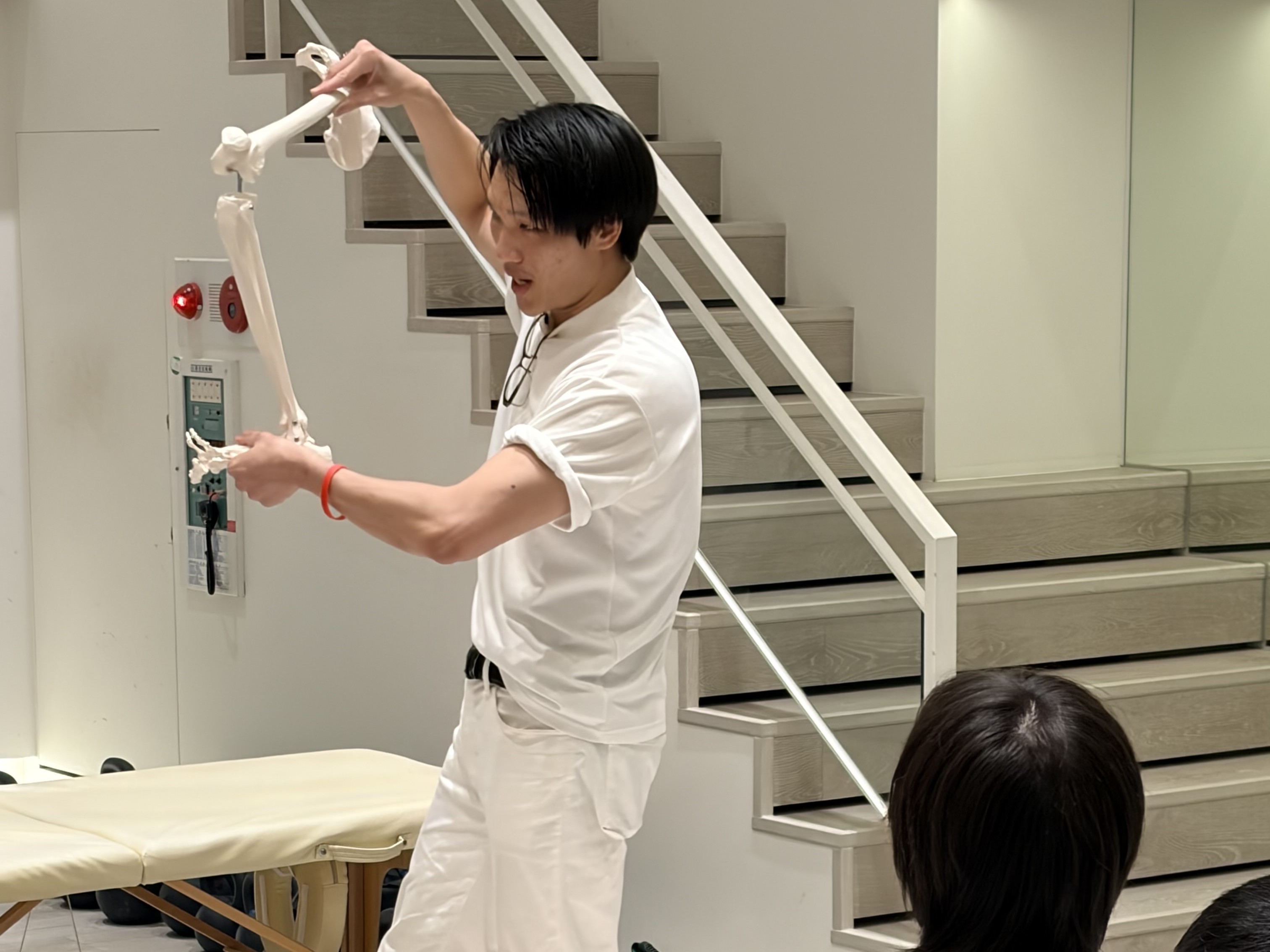
The Taipei physical workshop was held on September 20, 2026, at the OPTiMAX Movement Restoration and Strength Training Center and was led by physical therapist Li Szu-han, who holds multiple international instructor certifications. The workshop focused on common work-related functional limitations experienced by workers following lower-extremity injuries caused by occupational accidents. Beginning with biomechanical concepts, the workshop guided professionals in understanding the physical demands of work, applying assessment techniques to identify trainable potential in physical function, and using the findings to determine appropriate training directions and methods. The course incorporated extensive hands-on and scenario-based exercises. Through lectures, discussions, and practical exercises, participants progressively developed a task-oriented approach to assessment and training, learning to translate the techniques covered into practical skills applicable to clinical services.
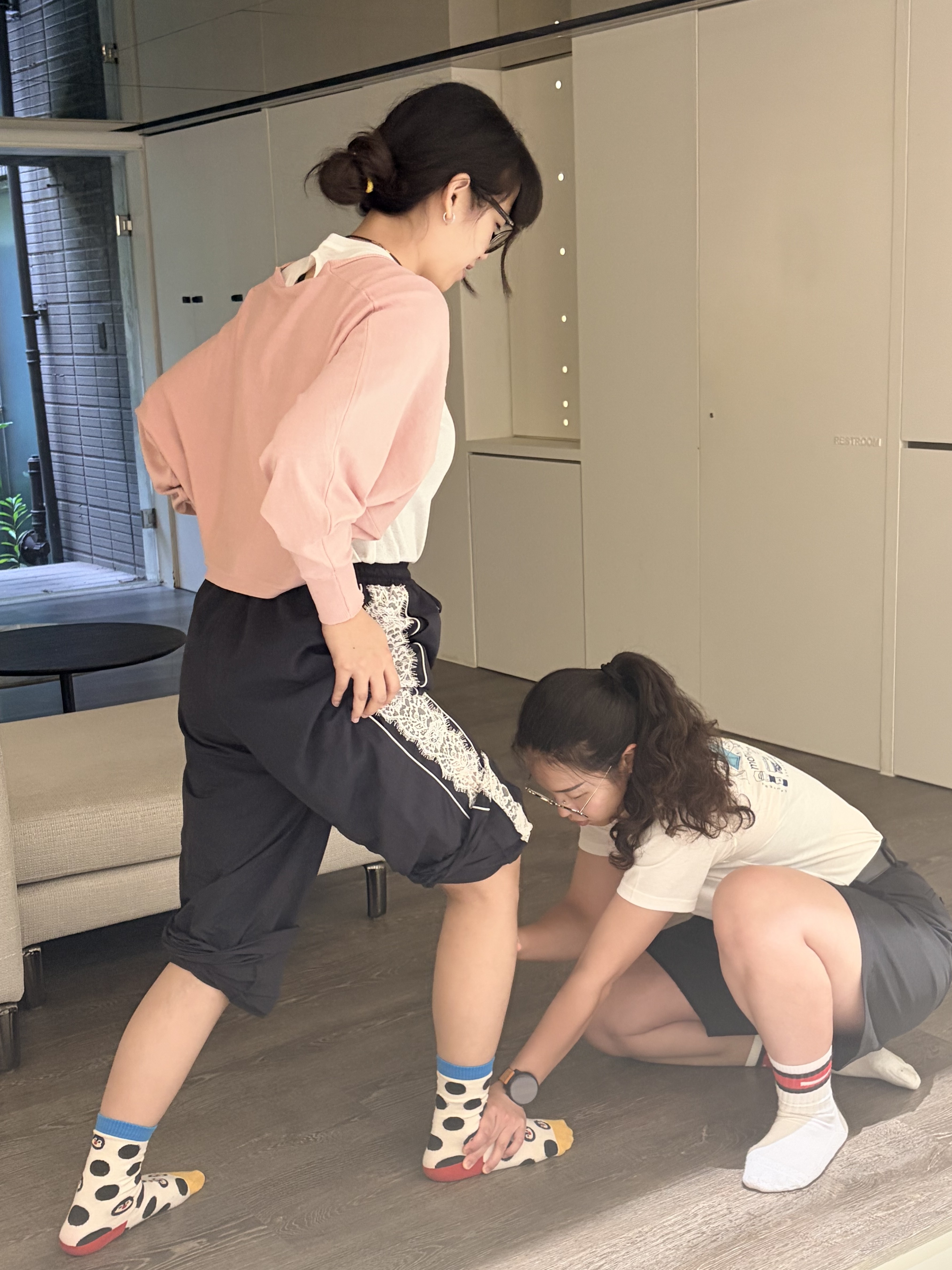
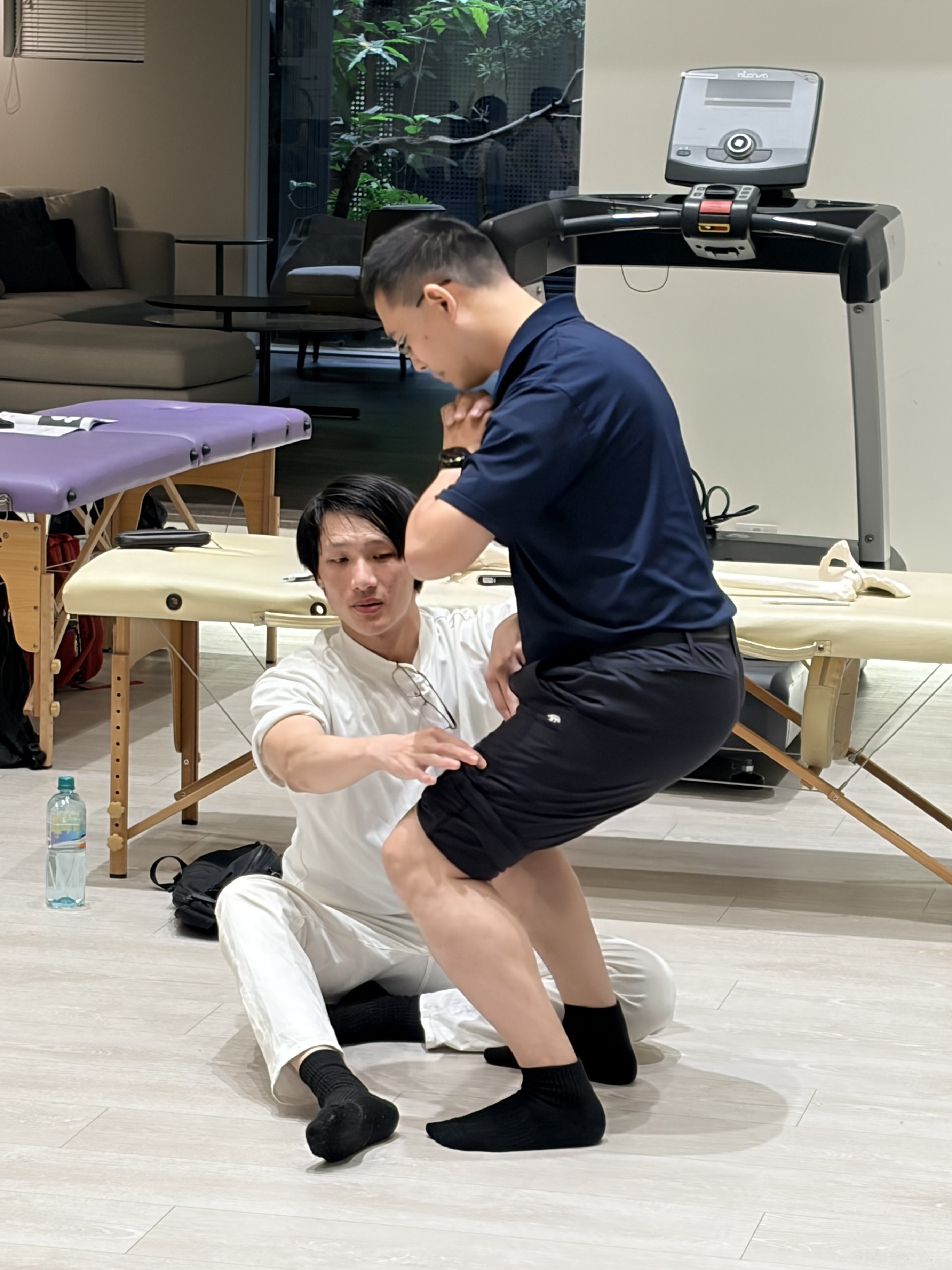
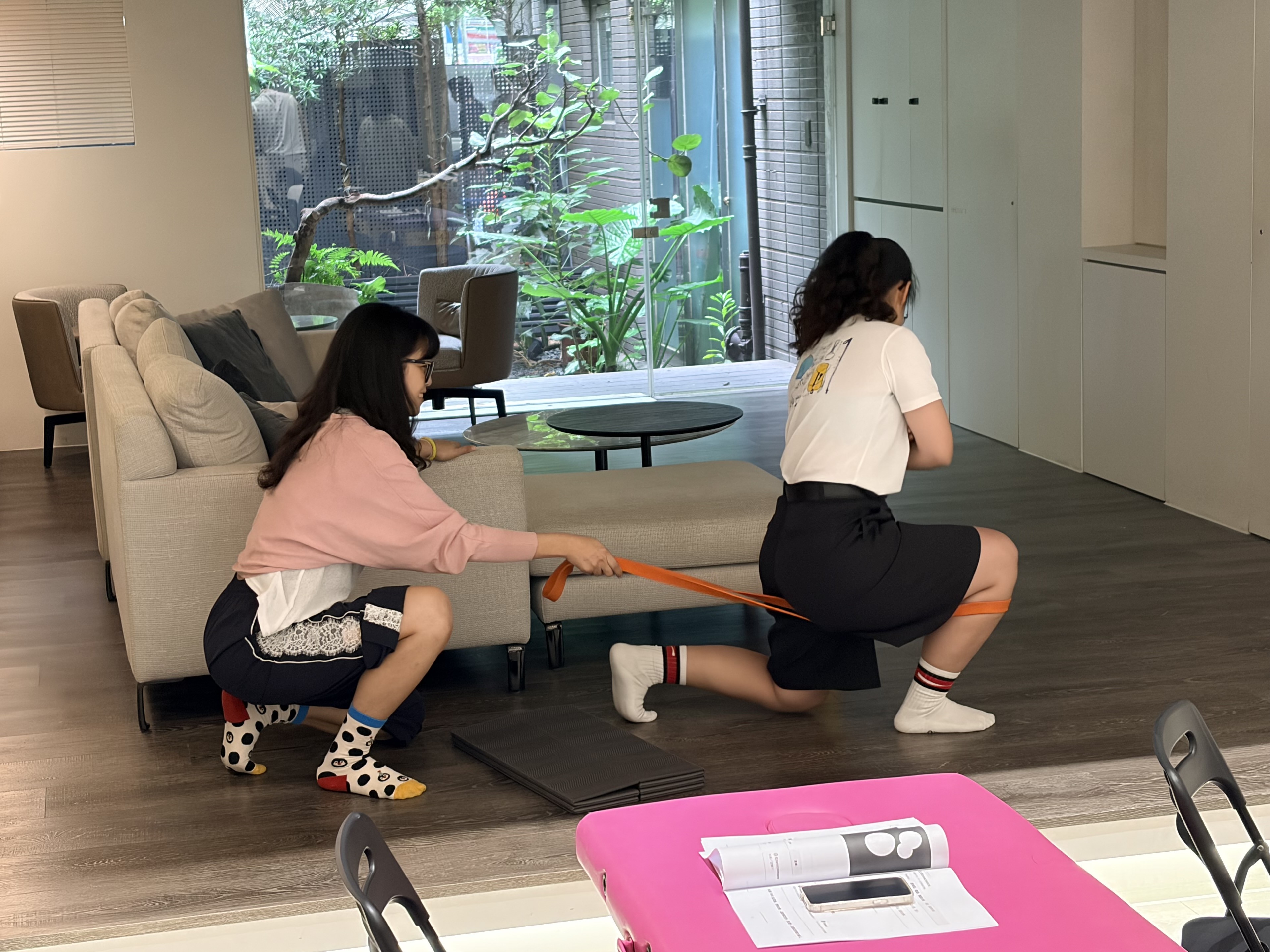
Physical therapist Lee Szu-han demonstrates occupational rehabilitation assessment and training techniques for workers returning to work after lower-extremity injuries during the “Task-Oriented Assessment and Training Approaches for Enhancing Physical Work Capacity” workshop and leads participants through hands-on exercises and practice.
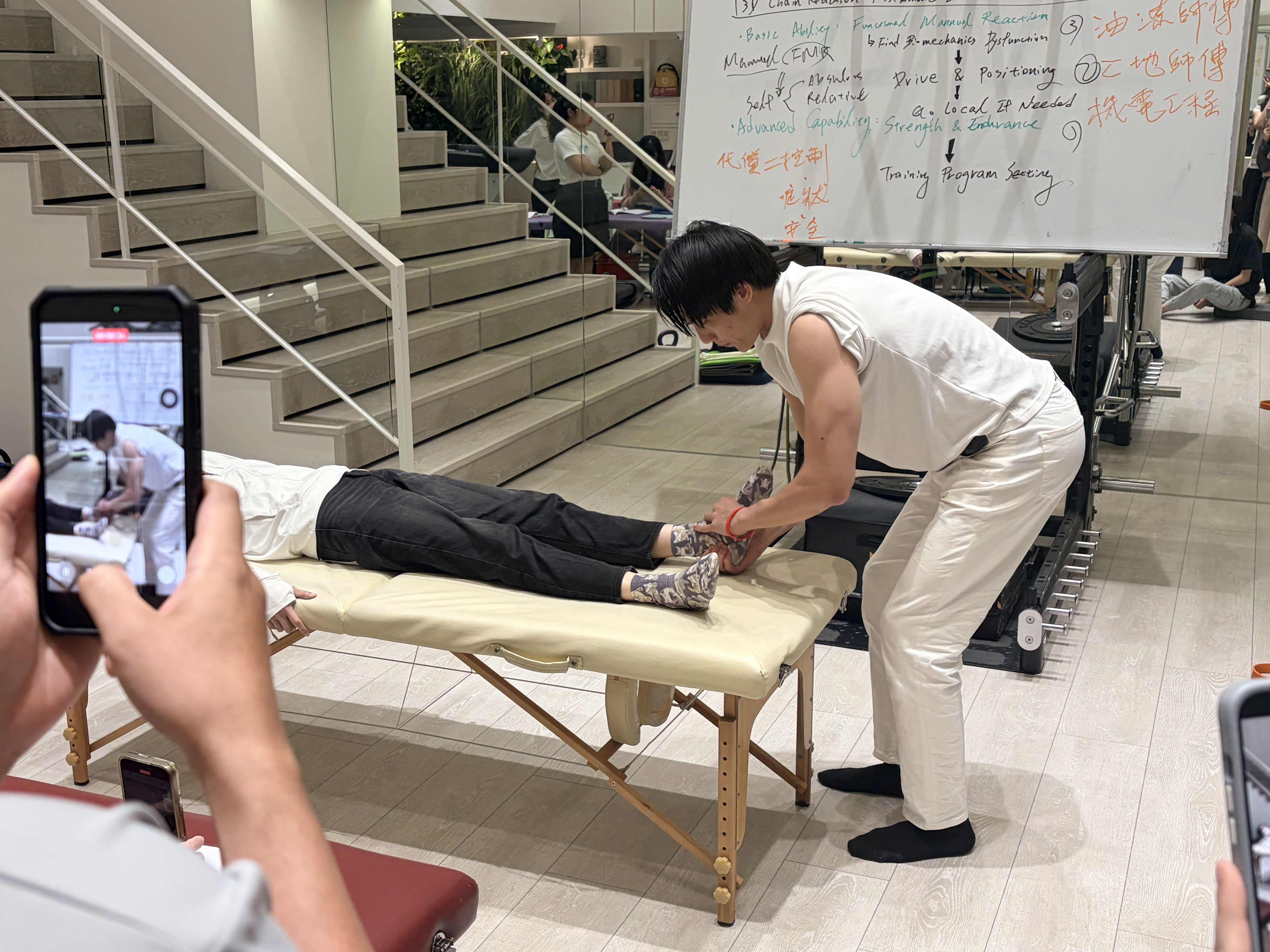
Professional Exchange and Practical Application: Turning Learning into Practice
A total of 31 therapists and psychologists participated in the two workshops held in Taipei. The small-group workshop format enabled greater interaction between instructors and participants while providing professionals with ample opportunities to raise questions, discuss, and exchange views on practical cases. Participant feedback indicated that the courses were highly practical. Case discussions and hands-on exercises not only deepened participants’ understanding of the relevant professional issues but also increased their confidence in applying what they had learned when providing services to workers affected by occupational accidents. By facilitating the exchange of professional knowledge and clinical experience, the workshops went beyond one-way knowledge transfer to become an important platform where professionals could learn from one another and build practical experience.
Advancing Professional Expertise to Better Meet the Needs of Workers Affected by Occupational Accidents
The Department of Occupational Rehabilitation Service will continue to provide a platform for occupational rehabilitation professionals to enhance their clinical skills and engage in professional exchange. Through diverse training formats closely aligned with practical needs, the Department aims to help professionals translate what they learn into practical skills for their day-to-day work. Through continuous professional development and interdisciplinary exchange, the Department aims to ensure that workers affected by occupational accidents receive person-centered occupational rehabilitation services throughout their return-to-work journey that are closely aligned with their work capacity requirements, consistent in quality, and responsive to individual needs. These services will support more workers in overcoming injury or illness and returning to work safely, successfully, and with dignity.